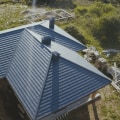
Proper ventilation and insulation in roofing are essential for maintainingenergy efficiency, structural integrity, and comfort. You'll needeffective ventilation to regulate temperature, prevent moisture buildup, and reduce HVAC strain. In winter, good ventilation prevents icedamming, while in summer, it expels hot air. Insulation minimizes heattransfer, ensuring your attic remains a buffer zone against externaltemperatures. Install rafter and soffit vents correctly, making surethey're unobstructed for best possible airflow. Regular maintenancekeeps your ventilation system efficient, protecting your roof andinvestment. By mastering these elements, you guarantee a durable andenergy-efficient home for years to come.
Importance of Roof Ventilation
Proper roof ventilation is crucial to prevent moisture buildup in the roof space, which can compromise the integrity of both the roof andinsulation. Effective ventilation helps regulate temperature andhumidity levels, reducing the risk of mold growth, wood rot, andstructural damage. The number of vents you need depends on your roofsize; typically, it's recommended to have one vent for every 30m² ofroof area.
To maximize ventilation efficiency, you must keep all ventsunblocked. Blocked vents can trap moisture, nullifying the benefits ofyour ventilation system. Additionally, pay close attention to soffitvents. They must be unobstructed to allow external air to enter theattic, promoting proper airflow and moisture control.
Insulating the attic hatch door is as crucial as insulating the restof the roof space. A poorly insulated hatch can be a significant sourceof heat loss, reducing overall energy efficiency. Use a combination ofhigh-quality insulation materials and proper sealing techniques to makesure the hatch door matches the thermal resistance of the surroundingarea.
Natural Attic Ventilation
With efficient natural attic ventilation, your home can manage winter and summer conditions effectively. In winter, it helps prevent icedamming by maintaining a cold attic space, while in summer, it expelssuper-heated air, safeguarding roof shingles and reducing moisturebuildup. Combining appropriate insulation guarantees peak energyefficiency by insulating your living spaces from extreme temperatures.
Benefits in Winter
Natural attic ventilation in winter is necessary to prevent icedamming and secure cold temperatures in the attic through efficientairflow. By ensuring that the attic remains cold while allowing moist,warm air to escape, you prevent the formation of ice dams on the roof.These dams can cause significant structural damage and costly repairs.
Combining ideal insulation with natural ventilation, you're blockingheat transfer from living spaces below, making the attic cold andenergy-efficient. This tandem approach resists heat loss and maintains a consistent temperature, which is essential for roof longevity. Here's a breakdown of key benefits:
| Benefit | Explanation | Significance |
|---|---|---|
| Ice Damming Prevention | Keeps attic cold, reduces melting snow | Prevents roof leaks and structural damage |
| Moisture Control | Reduces buildup of condensation | Protects roof's integrity and prevents mold growth |
| Energy Efficiency | Blocks heat transfer | Lower heating costs and improved insulation performance |
| Long-term Durability | Maintains consistent temperatures | Ensures the longevity of the roofing materials |
Ventilating your attic in winter also prevents moisture buildup,which can lead to mold and mildew, maintaining a healthy environment.Overall, effective natural ventilation and insulation are essential insafeguarding your roof's structural integrity during the colder months.
Summer Heat Management
While winter emphasizes the importance of keeping your attic cold,summer demands effective ventilation to expel super-heated air andprotect your roof shingles from excessive heat. Proper attic ventilation during hot months is essential for mitigating heat buildup that candamage shingles and lead to moisture issues.
By ensuring natural attic ventilation, you're not just protectingyour roof; you're also reducing the strain on your HVAC system. Hot airtrapped in an attic forces your air conditioning to work harder, raising energy consumption. Well-vented attics can alleviate up to 25% of thecooling load, leading to significant energy savings.
Attic insulation complements ventilation by resisting heat transfer.During the summer, insulation acts as a barrier that prevents exteriorheat from penetrating your living spaces. A synergy between insulationand ventilation keeps the attic cooler, vital for extending the lifespan of your roofing materials.
Proper ventilation, such as ridge vents and soffit vents, enhancesair circulation, expelling hot air and reducing internal attictemperatures. This not only minimizes heat-related damage but alsoprevents moisture buildup, which could otherwise foster mold or mildew.Implementing these measures extends the durability of your roof andenhances overall home efficiency.
Attic Fan Ventilation
Incorporating attic fan ventilation optimizes attic temperatureregulation by expelling hot air and introducing cooler external air,thereby enhancing energy efficiency. You need to guarantee correctinstallation with unblocked soffit vents and robust air sealing toprevent inadvertently drawing conditioned air from your living spaces.Pay attention to common installation pitfalls, such as inadequateventing or poor placement, which can undermine the system'seffectiveness.
Benefits of Attic Fans
Attic fans effectively improve home energy efficiency by expellinghot air and drawing in cooler air, creating a well-regulated atticenvironment. These devices operate by utilizing the principle ofconvection, where warm air rises and cooler air is drawn in fromoutside, maintaining ideal temperatures. This process decreases theworkload on your HVAC system, preventing energy wastage and loweringutility bills.
However, it's essential to make sure that soffit vents are notobstructed, as blockages can hinder airflow and increase energy usage.Without proper ventilation, your attic could become a heat trap,compromising your home's overall cooling efficiency. Additionally, ifyour attic isn't adequately sealed and insulated, the conditioned airfrom your living spaces can seep into the attic. This not only wastesenergy but also reduces the efficiency of your attic fan.
Installation Best Practices
Guaranteeing a precise and effective roof installation of an attic fanbegins with evaluating the existing ventilation system and makingadjustments to maximize airflow and energy efficiency. Start byinspecting and clearing any blocked soffit vents to confirm unobstructed airflow. This step is essential for preventing the attic fan fromdrawing conditioned air from the interior of the house, which can leadto increased energy consumption and decreased efficiency.
Next, focus on thorough air sealing. Proper air sealing is crucial to keep conditioned air within the living spaces and avoid it being pulled into the attic. Inspect areas around ductwork, chimneys, and anyperforations in the attic floor, sealing gaps with appropriate materials such as caulk or weatherstripping.
Additionally, ensure the attic is ventilated through a combination of passive vents such as ridge vents or gable vents. These passive ventswork harmoniously with the attic fan to promote natural air circulation, thereby enhancing the overall cooling efficiency. Remember, unfinishedattics should not rely on air conditioning; insulation and properventilation are your mainstays for energy conservation and maintainingindoor comfort levels.
Common Installation Issues
When addressing common installation issues, one major challenge isguaranteeing proper airflow without drawing cool air from the livingareas due to blocked soffit vents or insufficient sealing. If soffitvents are obstructed, an attic fan may create negative pressure, pulling conditioned air from the house into the attic. This scenario not onlyundermines the effectiveness of your HVAC system but also escalatesenergy consumption and costs.
You should focus on thorough air sealing and insulation measures.Make sure that any gaps, cracks, or openings between the living spacesand the attic are meticulously sealed. This prevents conditioned airfrom being inadvertently drawn into the attic. Use high-qualityinsulation materials to enhance thermal barriers and maintain indoortemperatures.
Additionally, it's essential to maintain an ideal balance of passiveand active ventilation. Guarantee that soffit vents are clear of debrisand properly integrated with ridge vents or other exhaust outlets tofacilitate natural convection. This passive airflow complements theattic fan's performance, optimizing ventilation without creating energyinefficiencies.
Insulation Strategies
Implementing effective insulation strategies reduces heat transferthrough the roof and greatly curtails energy loss, enhancing bothcomfort and cost savings. To achieve optimal results, you need to choose the right type and amount of insulation. Not only will this maintain acomfortable indoor temperature, but it will also save you money onutility bills. Insulating correctly can trim your energy losses by15-25%.
Insulation acts as a vital barrier against moisture, extending thelifespan of your roof. It minimizes the contraction and expansion of the roof deck, preserving its structural integrity. Here's a quickreference table to help you understand the benefits and details ofdifferent insulation types:
| Insulation Type | Key Benefits |
|---|---|
| Fiberglass | Cost-effective, easy to install |
| Spray Foam | Excellent air barrier, high R-value |
| Cellulose | Eco-friendly, good thermal resistance |
| Rigid Foam | High R-value, added structural strength |
| Radiant Barrier | Reflects heat, lowers cooling costs |
Investing in insulation now is a long-term cost-saving measure. Itwill not only keep your home more comfortable but also enhance theoverall health and energy efficiency of your roofing system.Understanding these strategies guarantees you make informed decisions,ultimately leading to significant savings and increased home longevity.
Installing Rafter Vents
Staple rafter vents directly to the roof decking to guarantee a clear and unobstructed pathway for airflow, optimizing your attic'sventilation efficiency. To start, confirm the vents align with yourrafter spacings. These vents create essential channels between theinsulation and roof deck, facilitating outside air entry and exit.
Place the rafter vents between rafters at the junction where theattic ceiling meets the floor. This precise placement ensures properairflow through the rafter spaces.
- Choose the Correct Vent Size: Match vent size to rafter spacings for maximal ventilation.
- Install Insulation Baffles: These baffles work in conjunction with vents to cover the entire attic floor, preventing blockage.
- Secure with Staples: Use heavy-duty staples to attach the vents directly to the decking, guaranteeing they stay firmly in place over time.
- Maintain Continuity: Make sure each vent overlaps slightly to sustain an uninterrupted air path.
Adopting these techniques guarantees an efficient system, reducingheat loss and maintaining a balanced attic climate. Install thesecomponents meticulously to avoid disrupting airflow or creatinginsulation voids. Properly installed rafter vents are essential tomaintaining an effective and energy-efficient attic ventilation system.
Common Ventilation Issues
Improperly installed or obstructed ventilation systems often lead tosignificant moisture buildup, deteriorating both roof and insulationintegrity. When vents are inadequate or blocked, proper airflow iscompromised, allowing moisture to accumulate. This trapped moisture canweaken structural components and diminish the effectiveness of yourinsulation, making your roofing system much less efficient.
You might notice that improperly insulated hatch doors contribute to a reduction in insulation efficiency because they allow heat loss. It'svital to ensure these access points are well-insulated. If your currentventilation setup has adjustable louvers, make sure they're positionedcorrectly to facilitate optimal airflow. In some cases, you might needto add additional vents to achieve the necessary ventilation levels.
Keep in mind that any moisture trapped within the roof structure cansignificantly degrade insulation performance. As a result, you mayexperience increased energy costs and potential structural damage.Regular inspection and maintenance of your ventilation system arecrucial to prevent these issues. Make sure that vent openings are clearand functional. By addressing these common ventilation problems, you'llmaintain the longevity and efficiency of your roofing system.
Effective Insulation Tips
How can you secure your roofing system stays energy-efficient anddurable? Effective insulation is essential. To start, select the rightinsulation materials, tailored to your roof type and local climate. Optfor rigid boards or reflective foil—both offer high thermal resistanceand fit various roof structures.
Focus on four key areas:
- Hatch Door Insulation: Prevent heat loss byproperly insulating the hatch door, which maintains consistent indoortemperatures and reduces energy bills.
- Roof or Attic Space Insulation: Insulate your roofor attic effectively to minimize heat exchange between the interior andexterior. This helps stabilize indoor temperatures and enhances comfort.
- Vent Protection: Use baffle boards to protectvents. They ensure proper airflow, essential for mitigating moisturebuildup, which can damage both insulation and the roof structure.
- Regular Vent Checks: Regularly inspect vents toclear any obstructions. This secures ventilation efficiency and protects your insulation from potential damage.
Maintaining Ventilation Efficiency
To sustain ventilation efficiency, make certain that vents remainunobstructed by insulation or debris, allowing maximum airflow andpreventing moisture problems. Carefully check that insulation isn'tcovering your vents, as this can trap moisture, leading to mold growthand structural damage.
Adjust louvers regularly for peak temperature control and ventilation effectiveness. If louvers become blocked, airflow is restricted,causing heat and moisture buildup. Ensure they are functioning correctly by periodically inspecting and adjusting them.
Protect your vents using baffle boards. Baffle boards act as abarrier, preventing insulation from creeping into vent spaces, therebymaintaining clear airflow channels. Install these correctly to avoidunintentional blockage and maintain long-term ventilation efficiency.
Insulate your attic hatch door. Uninsulated hatch doors can besignificant points of heat loss, undermining your entire roof'sinsulation system. Attach suitable insulation on the hatch door topreserve thermal efficiency.
Handle vents with care during any roofing work. Damage or misplacedvents can significantly reduce ventilation performance. Take necessaryprecautions to maintain their condition, ensuring they remain intact and unobstructed.
Implementing these strategies guarantees a well-ventilated andefficiently insulated roofing system, promoting longevity and peakperformance.
Proper roof ventilation and insulation are critical for maintainingenergy efficiency and prolonging your roof's life. By ensuring naturaland fan-based attic ventilation, coupled with effective insulationstrategies like installing rafter vents, you'll avoid common issues such as moisture buildup and heat loss. Don't forget to regularly inspectand maintain your ventilation systems. Doing so guarantees peakperformance and cost efficiency, ensuring your roofing system remains in top condition for years.